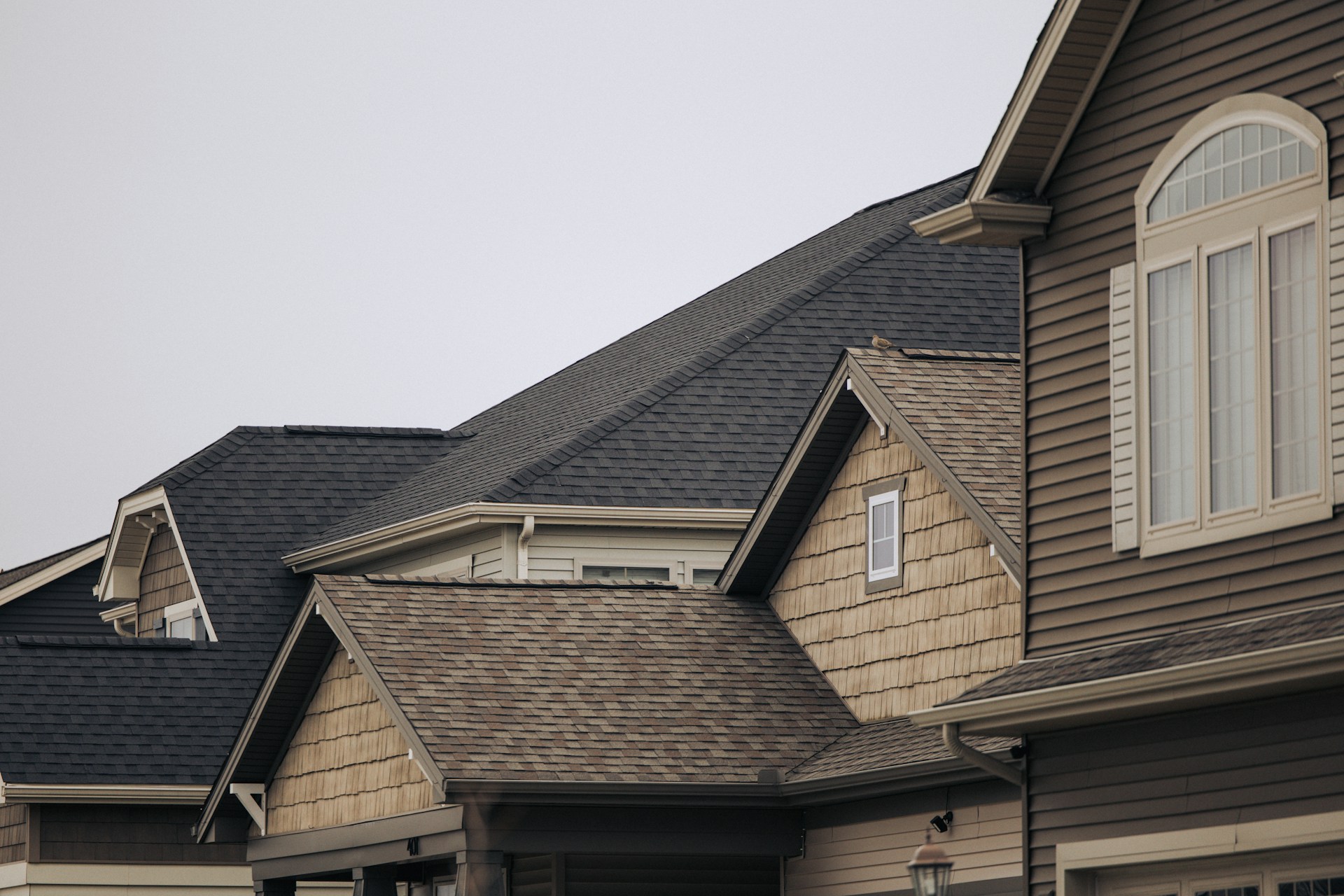
How Airdrie Weather Damages Roofs Over Time
Airdrie’s hail, wind, snow, and freeze-thaw cycles can slowly weaken shingles, flashing, ventilation, and roof decking long before major leaks appear.
Airdrie weather can be hard on residential roofing systems. Between hailstorms, strong prairie winds, heavy snow, ice buildup, summer heat, and sudden temperature swings, your roof has to protect your home through a wide range of harsh conditions every year.
The challenge is that weather damage does not always appear all at once. In many cases, roof damage in Airdrie develops slowly. A few missing granules, a lifted shingle, a small crack, or a weakened flashing seal can turn into a leak months later. Understanding how local weather affects your roof can help you catch problems early and avoid more expensive repairs.
Why Airdrie Roofs Face So Much Weather Stress
Airdrie’s climate creates a tough cycle for roofing materials. In the summer, shingles can expand under heat and UV exposure. During storms, hail and wind can loosen, bruise, or tear roofing materials. In winter, snow, ice, and freeze-thaw movement can push moisture into small gaps around shingles, flashing, vents, and roof edges.
This repeated stress is one of the biggest reasons homeowners should pay attention to roof condition over time. Even a roof that looks fine from the ground may have hidden weather damage that affects its ability to shed water properly.
Hail Can Weaken Shingles and Remove Protective Granules
Hail is one of the most common causes of roof damage in Airdrie. Even when hail does not create an obvious hole or leak, it can bruise asphalt shingles and knock away the protective granules on the surface.
Those granules matter because they help protect shingles from UV rays, moisture, and long-term wear. Once granules are missing, shingles can age faster, dry out, crack, and become more vulnerable to future storm damage. If your home has been through a major hailstorm, scheduling roof inspections in Airdrie can help identify hidden damage before it leads to leaks.
Strong Winds Can Lift, Curl, or Remove Shingles
Airdrie winds can also damage roofs over time. Wind does not always rip shingles off completely. Sometimes it lifts the edges just enough to weaken the seal underneath.
Once shingles are lifted, rain and melting snow can get underneath them. This can lead to moisture damage, roof deck issues, and leaks inside the home. Curling, missing shingles, loose tabs, and exposed nail heads are all signs that wind may have affected your roof.
Freeze-Thaw Cycles Can Make Small Roof Problems Worse
Freeze-thaw cycles are especially damaging because water expands when it freezes. If moisture gets into tiny cracks, gaps, or seams in your roof, it can freeze, expand, and make those weak points larger.
Over time, this can affect shingles, flashing, vents, gutters, and roof valleys. A small gap around flashing or a minor shingle crack can become a much bigger problem after repeated freezing and thawing. This is one reason small weather-related issues should not be ignored.
Snow and Ice Can Add Weight and Trap Moisture
Winter weather adds another layer of stress to Airdrie roofs. Snow buildup increases weight on the roof, while ice can block proper drainage. When melting snow cannot move off the roof properly, water can back up under shingles or collect near roof edges.
Poor attic ventilation can make this problem worse. Warm air escaping from the home can melt snow unevenly, which may refreeze near colder roof edges. Over time, this can contribute to ice buildup, moisture issues, and damage around shingles, soffits, and gutters.
Sun and Heat Slowly Age Roofing Materials
Airdrie roofs are not only affected by storms and winter weather. Sun exposure also plays a major role in roof aging. UV rays can dry out asphalt shingles, making them more brittle over time.
As shingles become brittle, they are more likely to crack, curl, lose granules, and fail during future hail or wind events. This is why older roofs often show damage faster after severe weather. A roof that has already been weakened by sun exposure may not handle the next storm as well as a newer or better-maintained roof.
How Asphalt Shingles Respond to Airdrie Weather
Asphalt shingles are common on Airdrie homes because they are cost-effective, familiar, and well-suited for many residential roofing systems. However, they still need to be installed properly and monitored for signs of weather wear.
Granule loss, curling edges, cracked shingles, missing tabs, and dark patches can all point to weather-related aging. Homeowners who want to better understand shingle performance, repair options, or replacement timing can learn more through asphalt shingle roofing in Airdrie.
Signs Your Roof May Have Weather Damage
Some roof damage is obvious, but many signs are easy to miss. After major weather events, homeowners should watch for missing shingles, loose shingles, granules in gutters, bent flashing, damaged vents, water stains on ceilings, damp attic insulation, or shingles that look cracked, curled, or bruised.
Inside the home, roof damage may show up as ceiling stains, musty smells, peeling paint, or moisture near exterior walls. These signs often mean the roof has already started allowing water into areas where it should not be.
Small Weather Damage Can Turn Into Bigger Roof Repairs
A small roof issue can become much more expensive if it is left alone. One lifted shingle can let water under the roofing system. One damaged flashing seal can allow moisture into the attic. One clogged or damaged roof valley can force water into places it should not go.
That is why timely roof repair in Airdrie is important after hail, wind, snow, or ice damage. Repairs are often simpler and more affordable when problems are caught early, before moisture spreads into the roof deck, insulation, drywall, or interior structure.
When Should Airdrie Homeowners Check Their Roof?
Homeowners should consider checking their roof after major hailstorms, heavy wind, long winter freeze-thaw periods, or any signs of leaking. It is also smart to have the roof looked at if it is older, has visible shingle wear, or has not been inspected in several years.
You do not need to wait for water to come through the ceiling. By the time a leak appears inside, the roof problem may have been developing for a while. Preventive inspections help identify issues while they are still manageable.
Protecting Your Roof From Long-Term Weather Damage
You cannot control Airdrie weather, but you can reduce the risk of serious roof damage. Keep gutters clear, watch for missing or lifted shingles, pay attention after storms, maintain proper attic ventilation, and deal with minor issues before they grow.
A roof is one of the most important protective systems on your home. When it is exposed to years of hail, wind, snow, ice, sun, and temperature swings, even small weaknesses can add up. Staying proactive helps protect your home, extend the life of your roof, and reduce the chances of unexpected water damage.
Final Thoughts
Airdrie weather damages roofs gradually through a combination of impact, movement, moisture, and aging. Hail can remove granules, wind can lift shingles, freeze-thaw cycles can expand small gaps, and snow or ice can create drainage problems.
The best approach is to treat roof maintenance as an ongoing part of home protection. If your roof has been through severe weather or is starting to show signs of wear, getting it inspected early can help you avoid larger repairs later.
Have a roofing project in Airdrie or North Calgary? Give us a call and we'd be happy to help with your project!