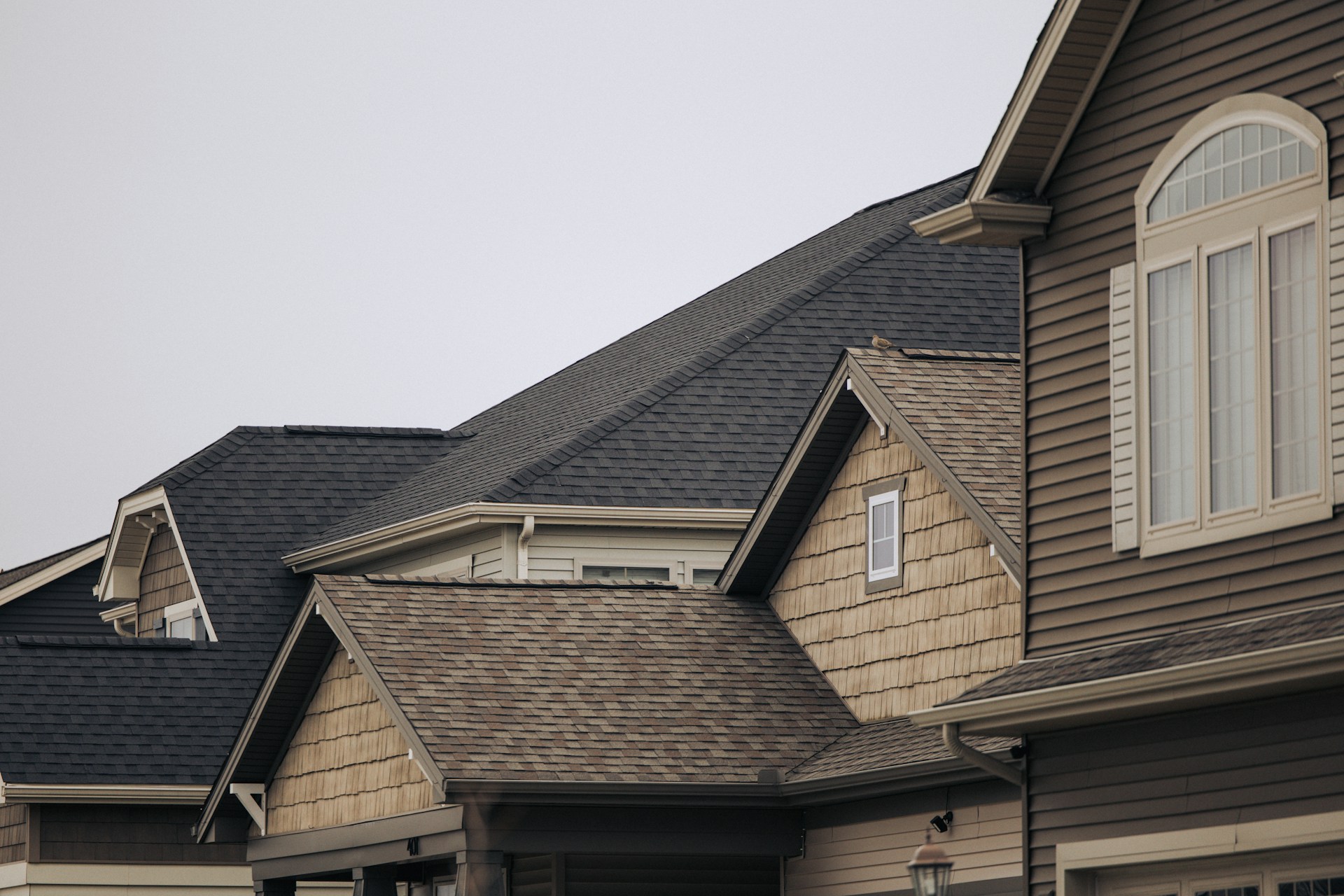
How to Protect Your Roof From Hail Damage in Airdrie
Practical roof maintenance, inspection, and material upgrade tips to help Airdrie homeowners reduce hail damage before the next major storm.
Hail can be one of the most damaging weather events for Airdrie homeowners, especially when storms bring large hail, heavy rain, and sudden wind gusts. Even if your roof looks fine from the ground, hail can bruise shingles, knock away protective granules, dent metal flashing, loosen vents, and weaken areas that may turn into leaks later.
The good news is that while no roof is completely hail-proof, there are practical steps you can take to reduce damage, improve roof performance, and catch problems before they become expensive repairs. Protecting your roof from hail damage in Airdrie starts with the right materials, regular inspections, and smart maintenance before storm season arrives.
Why Hail Damage Is a Serious Concern for Airdrie Roofs
Airdrie homes deal with a mix of prairie weather, fast temperature swings, heavy wind, snow, and summer hailstorms. Over time, those conditions can wear down roofing materials and make shingles more vulnerable when hail hits.
Hail damage is not always obvious right away. A roof may not leak immediately after a storm, but the impact can weaken the shingle surface, expose the asphalt layer, or loosen materials around vents and flashing. Once the next round of rain, snow, or freeze-thaw weather hits, those small damaged areas can start letting moisture into the roof system.
That is why roof hail protection is not just about what happens during a storm. It is also about keeping your roof strong before the storm and knowing what to check after it passes.
Start With a Roof Inspection Before Hail Season
One of the best ways to protect your roof from hail damage is to make sure it is already in good condition before severe weather arrives. Loose shingles, cracked sealant, lifted flashing, worn vents, and damaged roof edges can all make hail damage worse.
A professional roof inspection can identify weak spots before they turn into emergency problems. This is especially important if your roof is older, has been through previous hailstorms, or has not been checked in several years.
A pre-storm inspection can help identify:
Missing, curled, or lifted shingles
Worn granules on asphalt shingles
Cracked roof vents or pipe boots
Loose flashing around chimneys, walls, and roof valleys
Soft spots, sagging areas, or signs of trapped moisture
Gutter or drainage issues that may worsen storm damage
For homeowners who want to prepare before storm season, scheduling roof inspections in Airdrie is one of the most practical first steps.
Upgrade to Impact-Resistant Asphalt Shingles
For many Airdrie homes, asphalt shingles are the most common roofing material. Standard shingles can perform well when properly installed, but if hail protection is a priority, impact-resistant asphalt shingles are worth considering.
Impact-resistant shingles are designed to better handle hail impact compared to basic shingle products. They are often thicker, more durable, and built to reduce cracking, bruising, and granule loss during storms. Many homeowners look for Class 4 impact-resistant shingles because they are commonly considered one of the stronger asphalt shingle options for hail-prone areas.
If your roof is older or already showing signs of wear, upgrading your asphalt shingle roofing in Airdrie can help improve your home’s resistance to future hail damage.
This does not mean the roof can never be damaged. Large hail can still cause problems. But stronger shingles can reduce the likelihood of severe damage and may help your roof last longer in Airdrie’s climate.
Consider Other Hail-Resistant Roofing Materials
Asphalt shingles are not the only option for homeowners looking to reduce hail damage. Depending on your home, budget, and long-term goals, other roofing materials may offer added durability.
Metal roofing is often considered for hail-prone regions because it is strong, long-lasting, and resistant to many types of weather damage. However, metal roofing can still dent during severe hailstorms, so the right panel type, gauge, coating, and installation method matter.
Other roofing upgrades that may help improve storm performance include:
Higher-quality underlayment
Stronger flashing systems
Better ridge cap protection
Improved attic ventilation
Ice and water shield in vulnerable areas
Reinforced roof valleys and edges
The best choice depends on your existing roof structure, the age of your roof, and whether you are repairing damage or planning a full replacement.
Keep Gutters and Drainage Clear
Hailstorms often arrive with heavy rain, and poor drainage can make storm damage worse. If gutters are clogged, damaged, or pulling away from the fascia, water can back up under roof edges or spill toward vulnerable areas of the home.
Clean gutters help move stormwater away from the roofline quickly. This matters because hail can already weaken shingles, loosen granules, and expose small gaps. If water sits near those damaged areas, it increases the chance of leaks.
Before hail season, homeowners should check for:
Clogged gutters
Loose downspouts
Sagging gutter sections
Debris in roof valleys
Water pooling near the foundation
Damaged fascia or soffit areas
Good drainage will not stop hail from hitting the roof, but it can help reduce secondary water damage after the storm.
Trim Nearby Trees and Remove Loose Debris
Tree branches can scrape shingles, damage roof edges, or break during strong winds. During a hailstorm, loose branches and debris can make the impact on your roof worse.
If there are overhanging limbs near your roof, trimming them back can help reduce the risk of added damage. It also helps prevent leaves, twigs, and debris from collecting in gutters and roof valleys.
This is especially helpful for homes with older asphalt shingles, shaded roof sections, or recurring moisture buildup. A cleaner roof surface is easier to inspect and less likely to trap water after a storm.
Check Your Roof After Every Major Hailstorm
After a hailstorm, you do not need to climb onto the roof to look for damage. In fact, walking on a damaged roof can be unsafe and may make some issues worse. Instead, start with a ground-level check.
Look for visible warning signs such as:
Shingle granules collecting in gutters or downspouts
Dented roof vents, flashing, or metal trim
Missing or lifted shingles
Pieces of roofing material around the yard
New water stains on ceilings or attic sheathing
Damaged siding, eavestroughs, or window screens
If you notice damage on other exterior surfaces, there is a good chance your roof may have been affected too. Even if there are no immediate leaks, a roof inspection can help confirm whether the shingles, flashing, or vents were compromised.
Document Damage for Insurance Purposes
If hail has damaged your roof, documentation matters. Take photos of visible damage around your property, including gutters, siding, downspouts, vents, and any roofing material that has fallen to the ground.
Homeowners should avoid making assumptions about coverage without checking their policy. Hail damage may be covered in some situations, but the outcome depends on the policy, the cause of damage, the age and condition of the roof, deductibles, and the insurance provider’s assessment.
For homeowners dealing with storm damage, it can be helpful to review home insurance coverage for roof damage in Airdrie before starting the claims process.
A professional roof inspection can also provide a clearer understanding of the damage, which may help when speaking with your insurance provider.
Repair Small Problems Before They Become Bigger Ones
Minor roof damage can turn into major repair costs if ignored. A few lifted shingles, cracked vents, or exposed nail heads may not seem urgent, but Airdrie’s weather can make small roofing issues worse quickly.
Freeze-thaw cycles, snow, wind, and rain can push moisture into damaged areas. Once water gets beneath the outer roofing layer, it can affect decking, insulation, attic ventilation, and interior ceilings.
Fixing small problems early can help prevent:
Roof leaks
Mold or moisture issues
Damaged insulation
Rotting roof decking
Higher repair costs
Premature roof replacement
The earlier hail damage is found, the easier it is to decide whether a simple repair, targeted replacement, or larger roofing upgrade is needed.
Know When It May Be Time to Replace the Roof
If your roof has been through multiple hailstorms, has widespread granule loss, or is near the end of its lifespan, repairs may not always be the best long-term solution. In some cases, replacing the roof with stronger materials may provide better protection and value.
A roof replacement may be worth considering if:
The roof has repeated hail damage
Shingles are curling, cracking, or losing granules
Repairs are becoming frequent
There are leaks in multiple areas
The roof is already near the end of its expected lifespan
You want to upgrade to impact-resistant shingles
For Airdrie homeowners, the goal is not just to fix visible damage. It is to make sure the roof is strong enough to handle the next storm season.
Final Thoughts: Protecting Your Airdrie Roof From Hail Damage
Protecting your roof from hail damage in Airdrie starts before the storm arrives. Regular inspections, strong roofing materials, clean gutters, secure flashing, and quick post-storm checks can all help reduce the risk of expensive damage.
No roofing system can guarantee complete protection from severe hail, but a well-maintained roof with durable materials will usually perform better than an older or neglected one. For homeowners in Airdrie, the best approach is simple: inspect early, upgrade wisely, and deal with storm damage before it becomes a larger problem.
Have a roofing project in Airdrie or North Calgary? Give us a call and we'd be happy to help with your project!