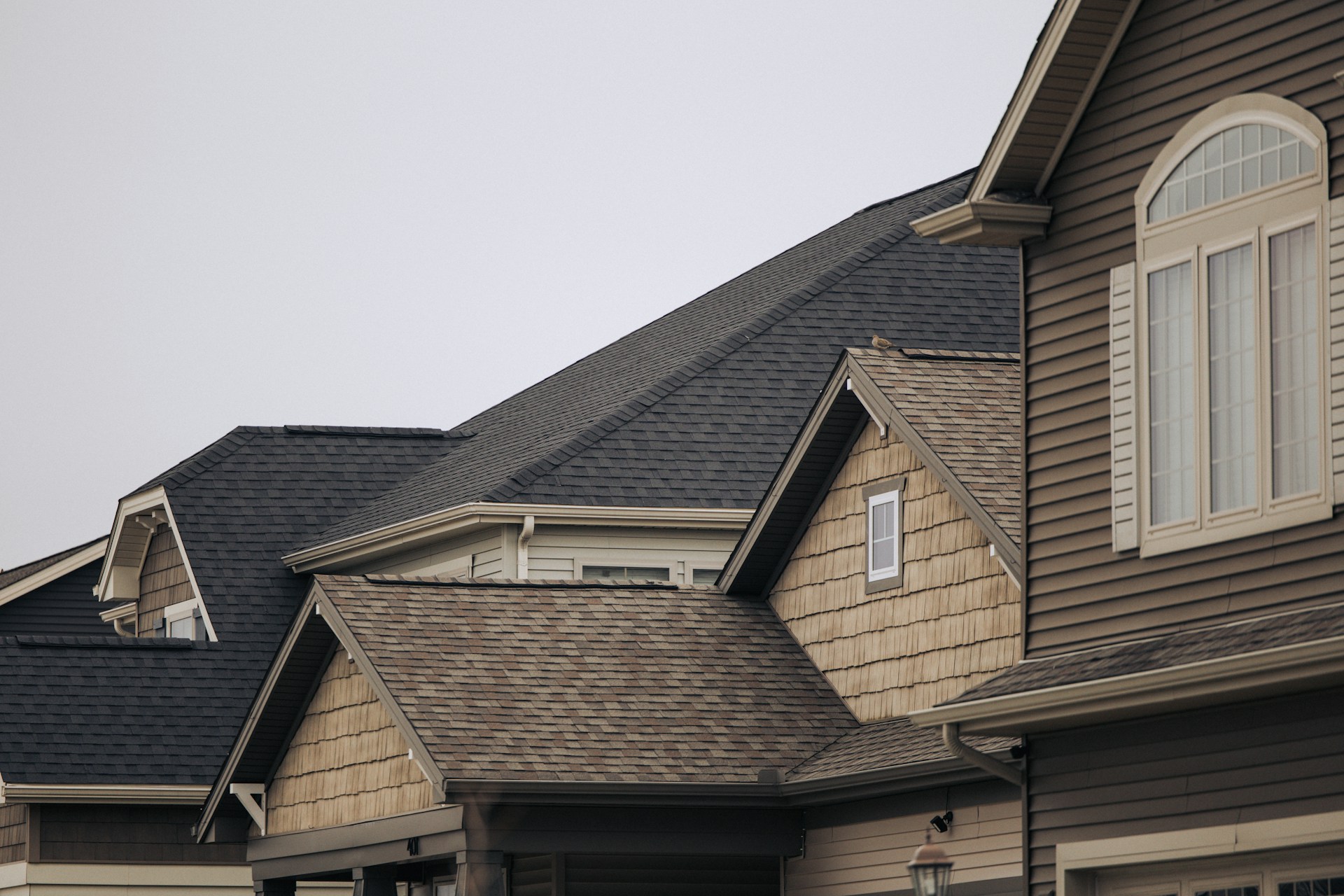
What Should I Do If My Roof Starts Leaking in Airdrie?
What to look for to limit water damage, protect your home, and know when to call for roof repair.
A leaking roof can go from a small drip to serious water damage quickly, especially in Airdrie’s changing weather. Wind, hail, melting snow, heavy rain, and freeze-thaw cycles can all expose weak points in your roofing system, allowing water to reach your attic, insulation, ceilings, walls, and electrical areas.
If your roof starts leaking, the most important thing is to act quickly and safely. You do not need to climb onto the roof or try to fix the problem yourself during bad weather, but you should take steps to reduce interior damage and arrange for a professional inspection as soon as possible.
What to Do First If Your Roof Starts Leaking
The first step is to protect the inside of your home. Move furniture, electronics, rugs, and valuables away from the leak area, then place a bucket, bin, or container under the dripping water.
If water is pooling in a bulging section of ceiling, that can be a sign of trapped moisture. Avoid standing directly underneath it, and do not poke or cut into the ceiling unless you know how to do so safely, because water may release suddenly.
You should also take photos of the leak, ceiling stains, water damage, wet insulation, or any visible roof damage from the ground. These photos can be helpful if you need to speak with your insurance provider or explain the issue to a roofing contractor.
Do Not Climb Onto a Wet, Snowy, or Icy Roof
When a roof starts leaking, it is tempting to look for the problem right away. But climbing onto a wet, snowy, icy, or wind-exposed roof is dangerous and can make the situation worse.
Airdrie roofs can be especially risky during storms, winter weather, or freeze-thaw conditions. Wet shingles, ice buildup, loose flashing, and steep roof sections can create unsafe footing, so the safer choice is to manage the leak from inside and call for roof repair in Airdrie once the immediate interior damage is under control.
Try to Identify Where the Leak Is Coming From
Roof leaks are not always directly above the visible water stain. Water can enter through one area of the roof, travel along rafters, insulation, or roof decking, and appear somewhere else inside the home.
Common sources of roof leaks include damaged shingles, missing shingles, cracked flashing, roof vents, skylights, valleys, chimney areas, clogged gutters, ice dams, and worn sealant. If you can safely check your attic, look for wet insulation, dark staining, dripping water, or daylight coming through the roof boards.
Do not assume the leak is fixed just because the dripping slows down. The water may have stopped because the rain or snowmelt paused, not because the roofing issue has gone away.
Why Roof Leaks Happen in Airdrie
Airdrie homes deal with a mix of weather conditions that can be hard on roofing systems. Strong wind can lift or loosen shingles, hail can bruise or crack roofing materials, and freeze-thaw cycles can push moisture into small gaps around flashing, vents, and roof edges.
Snow and ice can also create problems if meltwater cannot drain properly. When water backs up near the edge of the roof or around vulnerable areas, it can work its way under shingles and into the roof structure.
This is why even a small roof leak should be taken seriously. What looks like a minor ceiling stain may point to a larger issue with shingles, flashing, ventilation, drainage, or hidden moisture inside the attic.
When to Call a Roofer for a Leaking Roof
You should call a roofing professional as soon as you notice active dripping, ceiling stains, wet insulation, missing shingles, storm damage, or water entering around vents, chimneys, skylights, or roof edges.
A roof leak is especially urgent if water is spreading quickly, dripping near electrical fixtures, damaging drywall, or appearing after hail, heavy wind, or rapid snowmelt. In these cases, waiting too long can increase the risk of mould, insulation damage, structural issues, and more expensive repairs.
Even if the leak seems small, a professional roofer can determine whether the issue is limited to one repair area or part of a larger roofing problem.
Why a Roof Inspection Matters After a Leak
A leak is a symptom, not the full diagnosis. A proper roof inspection helps find the actual entry point, assess the condition of surrounding shingles and flashing, and check whether water has affected the attic, underlayment, decking, or ventilation areas.
This is important because temporary fixes may stop visible dripping without solving the cause of the leak. A professional roof inspection in Airdrie can help confirm whether the roof needs a simple repair, storm damage repair, shingle replacement, flashing work, or a larger roofing solution.
An inspection also gives you documentation if the leak may be related to weather damage, which can be useful when reviewing insurance options.
Can Insurance Cover a Roof Leak?
Insurance coverage depends on what caused the leak. Sudden damage from wind, hail, or a storm may be treated differently than long-term wear, poor maintenance, or an older roofing system that has slowly deteriorated.
If the leak appeared after a specific storm, take photos, write down the date, and avoid making permanent repairs until the damage has been properly documented. You can also review your policy and learn more about home insurance and roof damage in Airdrie before deciding whether to open a claim.
A roofing inspection can help you understand whether the leak appears to be caused by storm damage, material failure, flashing issues, or general roof aging.
Temporary Steps You Can Take While Waiting for Repairs
While waiting for a roofer, focus on reducing interior damage. Keep containers under active drips, move belongings away from the leak, dry wet surfaces where possible, and use towels or fans only if it is safe to do so.
If water is coming in heavily, monitor the area closely and avoid rooms where the ceiling looks swollen, sagging, or unsafe. Do not use electrical fixtures, outlets, or ceiling lights near active water.
You should also avoid applying random sealants or patches from inside the attic unless advised by a professional. Temporary materials can sometimes trap moisture or make it harder to identify the real source of the leak.
How to Prevent Future Roof Leaks
The best way to prevent roof leaks is to catch small roofing issues before they become active water problems. Regular inspections, especially after hail, high winds, heavy snow, or major temperature swings, can help identify loose shingles, cracked flashing, clogged gutters, worn sealant, and early signs of roof damage.
Homeowners should also keep gutters clear, watch for attic moisture, check for missing shingles from the ground, and pay attention to ceiling stains or musty smells. Airdrie’s weather can change quickly, so seasonal roof maintenance can make a major difference in protecting the home.
Final Thoughts
If your roof starts leaking in Airdrie, act quickly but safely. Protect the inside of your home, document the damage, avoid climbing onto the roof, and arrange for a professional inspection to find the source of the leak.
A small leak can point to a larger roofing issue, especially after wind, hail, snow, or freeze-thaw weather. The sooner the problem is inspected and repaired, the easier it is to limit water damage and protect your home from more expensive roofing problems.
Have a roofing project in Airdrie or North Calgary? Give us a call and we'd be happy to help with your project!